What to plant this winter in warm states
· Chad Brunette
Happy Thanksgiving! If you live up north, the garden is put to bed for the year. But if you live in our southern states or Hawaii you're heading into a wonderful season to plant. If you have a few free hours this long weekend, it's a great time to get some plants in the ground.
Why winter is planting season in the South and Southwest
In the warmer parts of our southern states, including Florida to Texas, New Mexico to California, and Hawaii, winter's cooler temps make it a great time to plant full gardens. And if your gardens are already built then it's a great time to supplement them with winter annuals and pots. This cooler season is ideal to help new plants get established with less stress than they experience in summer's intense heat and humidity.
Cooler weather also means less watering because plants aren't as active as they are in summertime and water evaporates from the soil more slowly. While Florida is typically drier in winter, over in California it's rainy season and therefore installing new gardens is ideal.
What to plant now
Trees and shrubs. Late fall and winter are the ideal time to plant trees and shrubs across most of the warm states. Their roots keep growing in cool soil even when the tops look quiet. Some 'evergreen' trees and shrubs go through a mini-fall where they may lose 100% of their leaves quite quickly. They should re-leaf almost immediately; even evergreen plants need to get rid of old waste from time to time and the easiest way to do that is losing leaves.
Perennials and grasses. Most hardy perennials and ornamental grasses can go in now. As long as you live in an area where temperatures are within a plant's normal growing conditions it will get established, bloom and otherwise thrive this time of year.
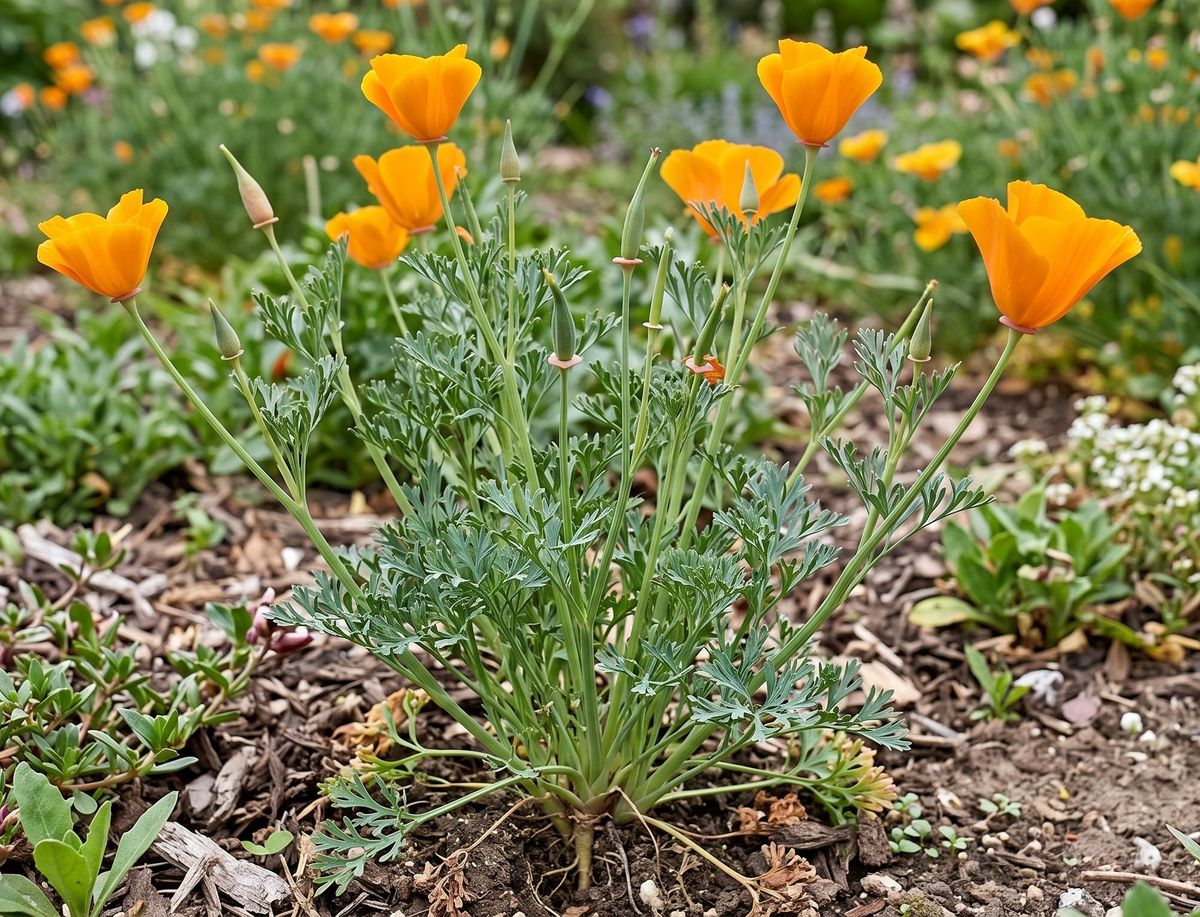
Wildflower seeds. Fall is when nature sows wildflower seed in the South and Southwest, and it's when you should too. In Texas, sow bluebonnets and other spring wildflowers in late fall, the sooner the better. In California and the desert, scatter California poppies, baby blue eyes and desert bluebells before the winter rains.
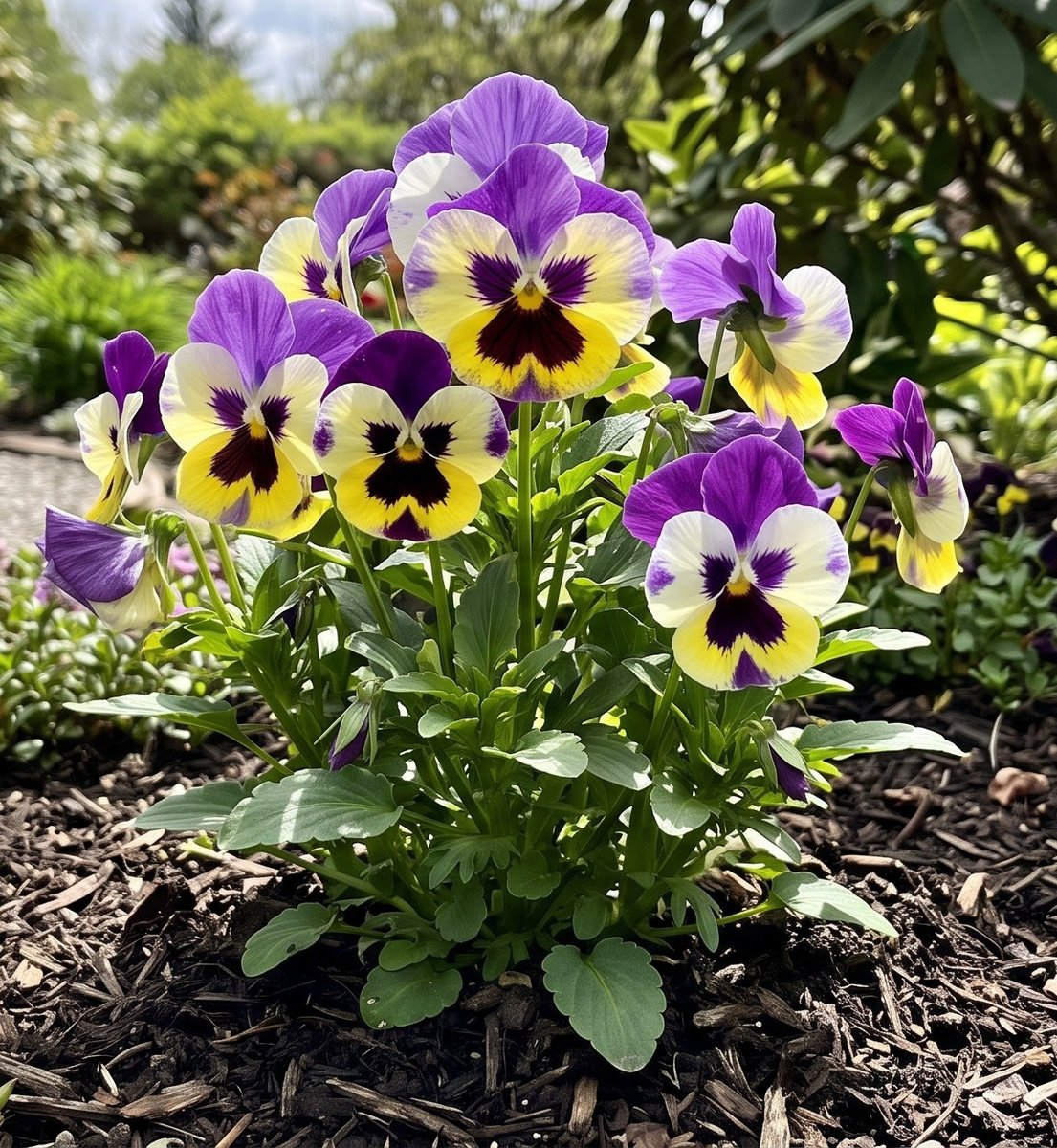
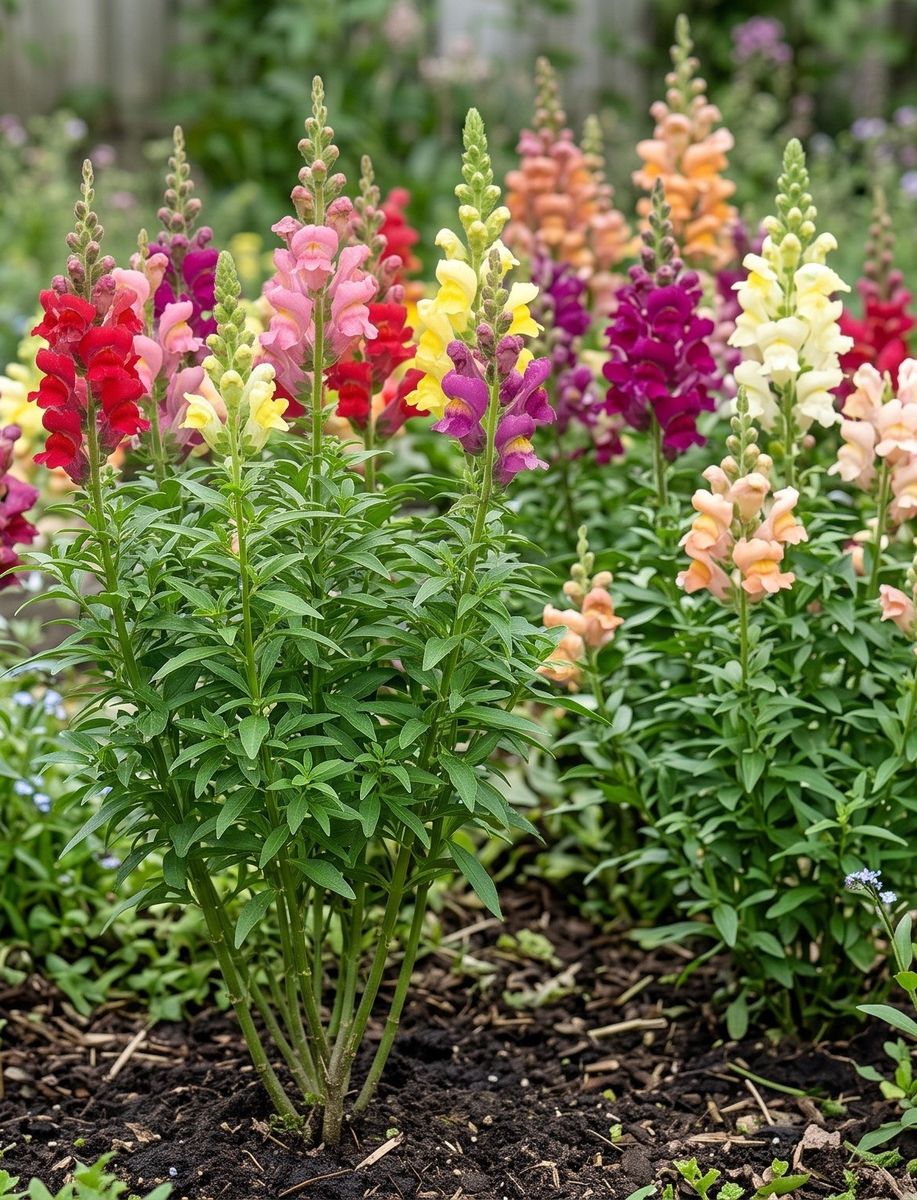
Cool-season color. Winter is flower season in the warm states. Pansies, violas, snapdragons, sweet alyssum, calendula and dianthus bloom all winter in the low desert, along the Gulf Coast and in Florida, then fade when summer heat arrives. Treat them as winter annuals and replace them with heat lovers in spring. In fact in the humid southeast there's an entire library of annuals that prefer being planted in winter and will fade in summer's heat. It's an ideal time in many ways to really enjoy color in the garden.
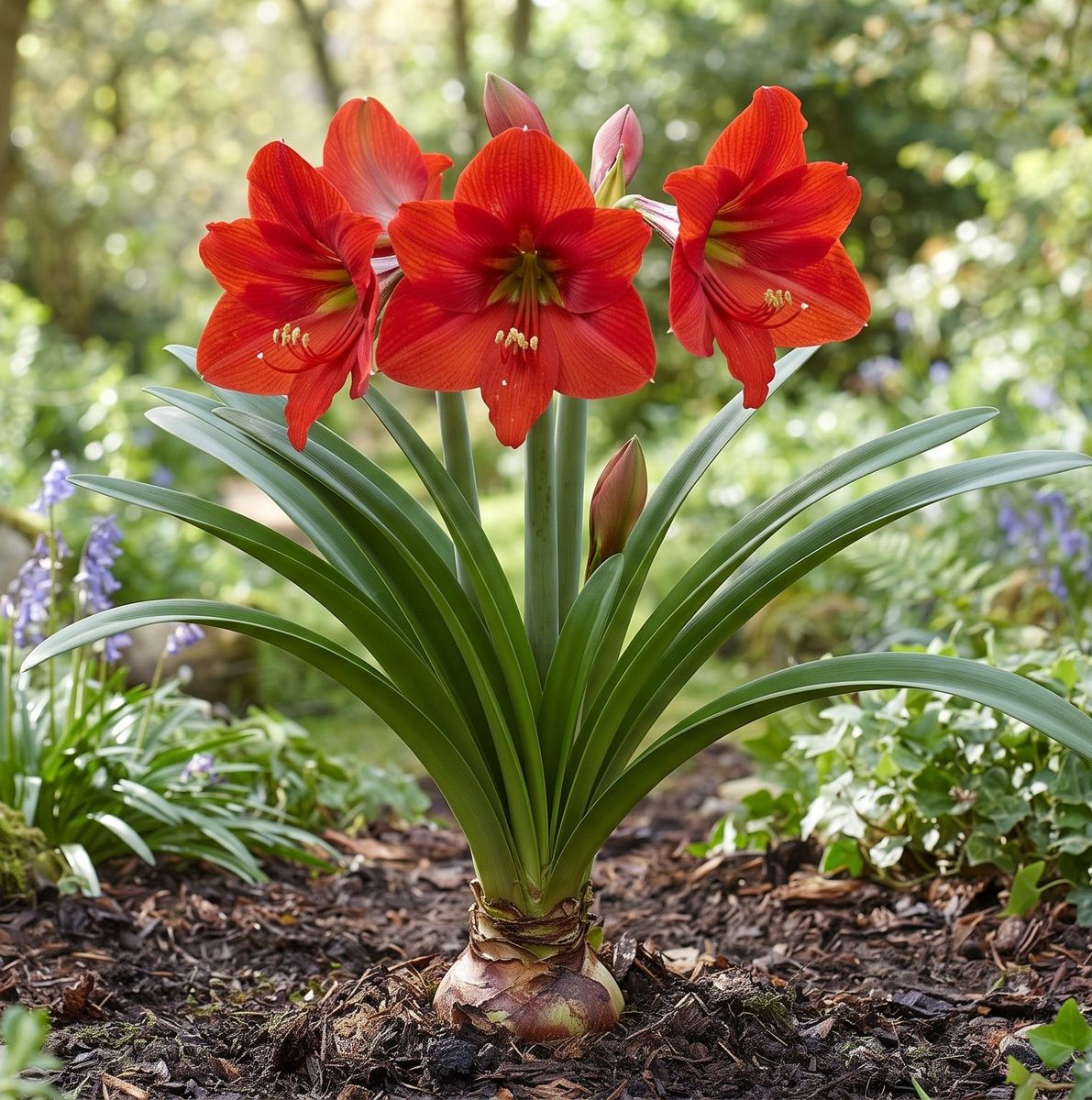
Bulbs that don't need a cold winter. Most tulips and hyacinths need a long, cold winter to bloom, so in the warm states they're one-season flowers, and they need 6 to 8 weeks in the refrigerator before planting. Paperwhites, amaryllis (outdoors in Florida and the Gulf Coast) and summer snowflake are easier choices that come back year after year.
What to wait on until spring
Hold off on frost-tender plants until after your last frost, usually February or March across most of the region. That includes bougainvillea, hibiscus, lantana, esperanza and most tropicals. Planted now, a single cold night can set them back or kill them outright. If you live in South Florida or Hawaii, frost is rare and you can plant tropicals any time of year.
If a frost is forecast after you plant, cover tender plants overnight with frost cloth or an old sheet that reaches the ground, and take it off in the morning. Skip plastic, which can damage the leaves it touches.
A few tips for winter planting
Water new plants regularly for the first three or four weeks and then switch to a typical watering schedule.
Mulch after planting, about 3 inches deep, kept a few inches back from the stems. Those three inches will soon compact down to an inch or so and help retain moisture, moderate soil temperatures and smother weeds.
In rainy states I wouldn't fertilize now; in fact it may be banned. But in Florida and other southeastern states it's a great time to feed your plants after summer's storms.
In cooler temperatures lawns grow more slowly and you likely can mow twice per month instead of weekly. This saves you time and fuel.
Let PlantMyYard pick your plants
PlantMyYard knows your hardiness zone and your summer heat from your ZIP code, so every plant on your list will grow where you live. Answer a few questions about each bed and you'll get a planting list with how many of each plant to buy, plus how much compost and mulch to bring home. Click here to get started.
From our garden to yours, happy Thanksgiving!